www

Recidivist W-t-E company groom yet another council.

A proposal to build a Kaipara-based $730 million waste-to-energy incinerator to burn Northlands waste has the backing of Kaipara mayor Craig Jepson. The proposal will involve South Island Resource Recovery Limited (SIRRL). This will be SIRRL and their shareholder company Renew Energy Limited’s (REL) fourth attempt at building a W-t-E plant in NZ. Previous proposals have included Westport, Hokitika and Waimate. The Waimate proposal was referred to the Environment Court in August 2023 and is currently stalled until SIRRL lodges the required water take consent and satisfies a request for more information about the proposal from the EPA. The proposed Kaipara facility’s capacity would be double that of the Waimate plant, incinerating about 730,000 tonnes of Auckland and Northland rubbish each year. “We’re at an exciting point where all the parts are coming together,” Kaipara Mayor Craig Jepson said of the proposed Kaipara plant. Jepson said he wanted the Government to fast-track the plant’s consent rather than go through Northland Regional Council and his council. However, Zero Waste advocate Sue Coutts said it was important to consider the incinerator’s climate, environmental, and health impacts as part of any consenting process, whether via the councils or the Government’s fast-tracking for major infrastructure projects. Coutts said international waste-to-energy companies were looking for countries with weak regulations to sell their wares because European demand had dropped off. “They head to small communities with very limited resources to investigate the impacts of incinerators,” Coutts said. She said the proposed facility went against Northland’s renewable energy push. Mayor Jepson has been eager to spruik the so-called benefits of Waste-to-Energy. Jepson has been a waste-to-energy advocate for 25 years, since his three-year involvement with investment company Olivine NZ as a shareholder and spokesman in the failed then $223m bid to convert the former Meremere power station to a waste-to-energy plant, which was canned in 2000. Jepson stated that the Kaipara plant would have major benefits with a range of products resulting from its waste processing. It would create 72MW of electricity annually, enough to feed the national grid for 165,000 homes. It would also produce 210 tonnes of construction aggregate, such as gravel. Its steam could be used by Fonterra’s Maungaturoto dairy factory, while fly ash produced by incineration could be turned into glass and concrete. “We’ve heard it all before” – Robert Ireland, Why Waste Waimate. Why Waste Waimate, a group with over 200 members, formed in opposition to the Waimate proposal after public information sessions held by the company were found to be “lacking any real information.” Why Waste Waimate spokesperson Robert Ireland said. “We were given all the shiny embellishments, the greenwashing and Eurowashing,  jobs for locals, aggregate recovery, generating enough electricity to power tens of thousands of homes, a better alternative to landfills, etcetera, etcetera. However, it’s the information they don’t tell you that’s the most important.” These well-rehearsed salesmen sold us a narrative that was quite different from what was presented in their resource consent application. It turns out that there are regulations in NZ that prohibit the recovery of aggregates from incinerator ash.” Ireland said. These discrepancies should raise a red flag for all of us, serving as a stark reminder to remain vigilant and question the information we are given.  SIRRL’s resource consent application states that the Waimate plant, will produce 100,000 tonnes of ash each year, which will be landfilled. Kaipara mayor Craig Jepson stated the Kaipara plant would produce 210,000 tonnes of “construction aggregate” annually. All this talk about providing better solutions to landfills that don’t involve burying waste in the ground for future generations to deal with. However, landfilling will play a major part in Project Kea’s operations. They kept that and the need to use huge amounts of diesel to run the plant out of the promotional material. SIRRL claims that Project Kea will produce 20-30MW of electricity, enough to power 60,000 homes. “They state this as if they intend to provide electricity to local homes. However, they also state they will provide electricity and steam to local industry, but, when questioned on whether the company has any agreements with Oceania(the only neighbouring industry), the answer was no.” Ireland said. Now we have the Kaipara Mayor, Craig Jepson, the latest in a long list of small town mayors putting support behind SIRRL and Renew Energy.  However Jepson seems to be leap-frogging logic. Without any proposal, the Mayor is wanting to have his concept expedite the approval process and bypass regulatory requirements via the government’s proposed Fast-Track legislation.    “Jepson may have taken some liberty around what support means.” Moko Tepania, Northland Mayor. Kaipara mayor claimed support for the Kaipara proposal, including Northland, Whangārei and Auckland mayors. However, Northland Mayor Moko Tepania and Whangārei Mayor Vince Cocurullo were circumspect when approached by Local Democracy Reporting to confirm their support. Tepania, in an email sent to plant opponent Caren Davis, said it appeared Jepson may have taken “some liberty around what ‘support’ means”. Jepson admitted later that he had perhaps oversold the council’s support

Recidivist W-t-E company groom yet another council. Read More »

ECan and EPA request further information from SIRRL.

Environment Canterbury and Waimate District Council request more information from SIRRL. ECan stated that the requested information is required to assist in preparing the Key Issues report, which the Council will be required to provide to the EPA under S149G RMA. The 22-page request by ECan included Dr Emily Wilton’s assessment of SIRRL’s air quality emissions report, for which Wilton requested further information from SIRRL. Dr Wilton’s notes highlighted “inconsistencies” between the company’s operational, technical overview and air quality assessment reports in SIRRL’s resource consent application. Read ECan request here “It’s important for the people to have answers” – Paul Taylor, SIRRL. In an April 2023 Stuff article, director Paul Taylor said SIRRL had gone to the “next level” in many of the reports they commissioned, which “were not necessarily required”, but they did it “because we felt it’s important for the people to be able to have answers to those questions.”  As July 2024 rolls around, ‘the people’ still await ‘answers to those questions’, suggesting SIRRL continue to believe information about this proposal is ‘not necessarily required’.

ECan and EPA request further information from SIRRL. Read More »

W-t-E Proposal to be decided in Environment Court.

After receiving an extensive recommendation report from the Environmental Protection Authority (EPA), Environment Minister David Parker has referred the Project Kea proposal to the Environment Court. On 31 August 2023, the Minister for the Environment ‘called in’, or issued a direction, to refer the application to the Environment Court. The direction was issued under section 142(2) of the Resource Management Act (RMA).The Minister asked the EPA for advice on whether the application was of national significance and, if so, whether it should be referred to a Board of Inquiry or the Environment Court. EPA’s role in the processing of ‘Project Kea”. The EPA will publicly notify SIRRL’s application so people can make submissions. Then, they will pass on the application and the submissions to the Environment Court, setting the timeframe for the next steps in the process. The EPA is not involved in the decision-making process. The EPA states they are organising public notification of the direction and the applications under section 149C of the RMA. They also state that they will provide further information about public notification and the submission process on their webpage when it becomes available.   Also available on the EPA’s webpage: The Minister for the Environment’s direction to refer the application to the Environment Court (PDF, 398KB) EPA advice about referring the SIRRL application to the Environment Court (PDF, 2.8MB) EPA Website

W-t-E Proposal to be decided in Environment Court. Read More »

eliquid, ejuice, electronic cigarette, ecigarette, vaping, vape, ecigar, ehookah, eshisha, shisha pen, hookah pen, vaporizer, vaporiser, vape pen, vaping, vaping, vaping, vape, vape, vape, vape, vape

Lithium-ion battery fires caused NZ$125 million in damages over 4 years across Japan.

A fire broke out on February 21 at the Togari Clean Center, a waste disposal facility in Toyota, Aichi Prefecture, shutting down part of its incinerator. The fire reduced the plant’s incineration capacity by around 30%, and the city declared a “garbage emergency” between April and July. The municipal government called for people to cut waste and properly separate trash. A subsequent investigation concluded that the fire was caused by items containing Li-ion batteries mixed with “combustible garbage.” According to the Japanese Environment Ministry, there were 12,765 fires attributed to lithium batteries in 2020. Fires caused by lithium-ion or li-ion batteries used in portable chargers and other products have repeatedly occurred in garbage trucks and waste disposal facilities throughout Japan, and the environment ministry is urging caution. The reason for the recurring fires is believed to be due to the diversification of products using lithium batteries. The Ministry of the Environment has warned consumers to “carefully check such products and properly dispose of them according to the rules of local governments.” read full article here

Lithium-ion battery fires caused NZ$125 million in damages over 4 years across Japan. Read More »

A stainless steel trash can outside with flames and smoke, creating a dramatic scene.

Waste sorting leaves Chinese incinerators short of fuel.

A waste-to-energy building boom sees incinerator plant numbers soar from 130 in 2011 to 927 in 2023, resulting in an overcapacity problem and a shortage of available waste. This spike has also resulted in waste to energy in China being responsible for over 100 million tonnes of carbon dioxide emissions in 2022. The Wuhu Ecology Centre, a reputable institution, estimates that the carbon emission intensity of waste to energy plants is as high as 1.8 tonnes per megawatt-hour, with the national average being 600kg per megawatt-hour for power plants of all kinds. Read article here

Waste sorting leaves Chinese incinerators short of fuel. Read More »

Waitaki candidates for general elections show their dislike for Project Kea.

Waitaki electorate candidates (left to right and top to bottom); Miles Anderson (National), Ethan Reille (Labour), Roger Small (Democracy NZ), Sean Beamish (ACT), Pleasance Hansen (Green), Ray Bailey (NZ Loyal). All the candidates, except Ray Bailey, who was not present, were asked to answer yes or no to whether they supported the Project Kea proposal. Act’s Sean Beamish stated that he hadn’t heard of the proposal and, therefore, could not provide comment. Miles Anderson (National), Ethan Reille (Labour), Roger Small (Democracy NZ) and Pleasance Hansen (Green) all voiced their opposition to the Project Kea proposal, indicating a consensus against it.

Waitaki candidates for general elections show their dislike for Project Kea. Read More »

Renew Energy founder, guilty on three counts of corruption, narrowly avoids prison.

Following a State Services Commission investigation, Renew Energy founder Gerard Gallagher was charged by the Serious Fraud Office (SFO) with three counts of corrupt use of official information. After a comprehensive five-week High Court trial, Gallagher was found guilty on all three counts and sentenced to 12 months home detention and 200 hours community service.   The Renew Energy founder and shareholder is reported to have been involved in the company until late 2022 as an independent contractor, despite relinquishing his role as a director and selling his shares following the Serious Fraud Office investigation. Read full article here Learn more about Gerard Gallagher and his involvement in Renew Energy below. Gerard Gallagher

Renew Energy founder, guilty on three counts of corruption, narrowly avoids prison. Read More »

Fire in mountain of baled rubbish destined for proposed Waimate W-t-E plant, highlights risk of inaction by authorities.

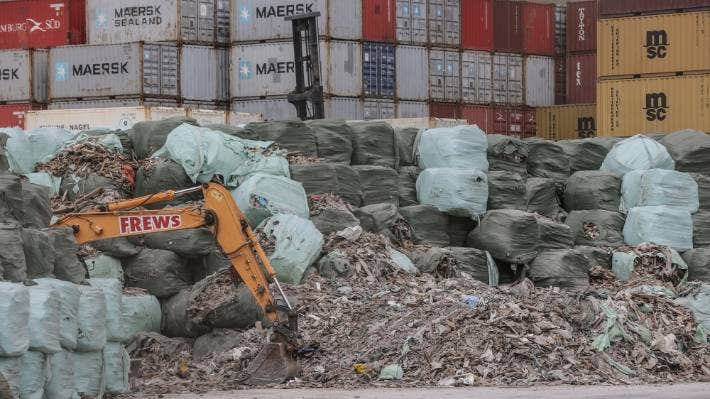
ERP Group Ltd stored about 10,000 bales of shredded demolition and construction rubble on two Christchurch properties. The waste was destined for a W-t-E plant in Waimate. ECan had served ERP Group abatement notices to remove the illegally stored waste from the site. It is understood that the company has tried to secure storage for the waste at a location in Timaru. ERP is believed to have been baling and storing the waste at the Christchurch locations for several years. The waste recently caught fire and highlighted authorities’ inaction to have the waste removed. Read article here Read more below about ERP Group, their involvement with Renew Energy Limited, the 40% shareholder of South Island Resource Recovery Limited (SIRRL), and the illegal storage of waste in and around Christchurch dated back to 2020. ERP Group

Fire in mountain of baled rubbish destined for proposed Waimate W-t-E plant, highlights risk of inaction by authorities. Read More »

REL attempt to secure heads of agreement with Timaru District Council to store waste.

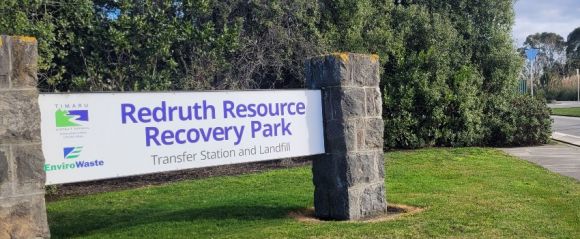
REL managing director Paul Taylor tries to secure a heads-of-agreement between Timaru District Council and baling contractor ERP Group to store 50,000 – 70,000 tonnes of waste at Redruth landfill for the proposed W-t-E incinerator in Waimate. The agreement states, “Renew Energy will be independently responsible for supplying 350,000 tonnes of waste per annum to the plant.”  This agreement shows how Renew Energy will be responsible for supplying the waste and their intention to continue to partner with ERP Group, despite the company’s poor waste management practices, which ultimately resulted in ERP Group owner Michael Corcoran, moving to Australia and leaving his landlords with thousands of tonnes of baled waste, destined for the proposed ‘Project Kea’ incinerator in Waimate. The cleanup of the illegally stored waste Corcoran left behind was reported to cost several million dollars. Read the heads of agreement request and response by Timaru District Council below. Heads of Agreement More on ERP Group and their involvement with REL, below. ERP GROUP

REL attempt to secure heads of agreement with Timaru District Council to store waste. Read More »

SIRRL provide misleading statements in an attempt to shore up waste availability figures.

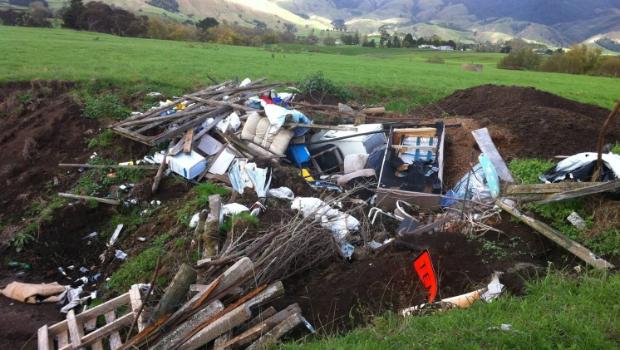
“There was an estimated 1,800,965 tonnes of waste in the South Island that went to class 1 and 2 landfills and farm dumps in 2021, much of which could have instead gone to an Energy from Waste plant. Project Kea will look to secure approximately 20% (or 365,000 tonnes) of that volume.” – Paul Taylor, SIRRL. Class 2 landfills are used to dispose of construction and demolition fills, a large quantity of which is rubble, providing no calorific value. Farm dumps are essentially private landfills. For SIRRL to gain access to those volumes, the company would need to collect waste from every farm site on South Island, which is not plausible. Claiming 1.8 million tonnes of available waste material in the South Island could be put through a Waste incinerator is misleading. Also, claiming that you require only 20% of that volume distorts the truth even further. For more on SIRRL’s waste projections see below. More on Waste

SIRRL provide misleading statements in an attempt to shore up waste availability figures. Read More »