www

The Swedish flag waves on a flagpole in Jönköping, Sweden, framed by storm clouds.

Sweden – The poster child for W-t-E or an example of what not to do?

Journeyman Pictures presents – Burn or Not to Burn—the hidden truth behind Sweden’s waste disposal infrastructure. In Sweden, waste incineration plants convert excess and non-recycled rubbish into energy. The Swedish Government classifies this process as recycling. But is waste incineration for energy recovery sustainable? Despite having 34 incinerators, Sweden’s waste disposal infrastructure accounts for a mere 4% of the country’s total electricity generation.

Sweden – The poster child for W-t-E or an example of what not to do? Read More »

smoke stacks, power plant, power, smoke, pollution, industry, energy, nature, factory, chimney, environment, stack, steam, industrial, sky, technology, pipe, smog, smokestack, exhaust, windy

The Waste-to-Energy reality: Faked emissions data and huge profits.

It is seen as the ideal solution for dealing with urban waste, but fraud and untruths lie behind this major industry, writes Yan Xiaowei – Dialogue Earth. “The numbers are often manipulated,” said one industry insider with twenty years of experience. “Never mind what they’re up to. I managed a plant for years, and I’ve done it all. It’s not that you can’t remove dioxins; it’s just that they’re very hard to detect.”   Energy Magazine’s Yan Xiaowei gained access to several such plants and revealed the shady interests and unwritten rules at work.  READ FULL ARTICLE More on Waste-to-Energy in China. Four years of waste sorting leaves China’s incinerators short of fuel Despite a reduction in the requisite material, China continues to build new waste-to-power incinerators. Its policy for utilising waste needs standardising and refining writes Li Jiacheng Chinese waste: the burning issue The state remains unprepared for the pollution and protests its ambitious garbage-incineration plans could generate, writes Yu Dawei. Dirty truth about China’s incinerators China’s “clean” trash burning plants have a dark underside, writes Elizabeth Balkan. Stuffed with coal, many operate like fossil-fired power stations, only more laxly governed. Veolia Likeng incinerator in Guangzhou Local government officials and Veolia insisted that the incinerator operated according to EU standards and that the high temperature used in the facility would destroy all pollutants including dioxins and furans. However, a 2009 news investigation of the ashes surprisingly found intact rope, cloth, red plastic bags, and shoes, indicating incomplete combustion.

The Waste-to-Energy reality: Faked emissions data and huge profits. Read More »

A stainless steel trash can outside with flames and smoke, creating a dramatic scene.

Chinese incinerators short of fuel.

A waste-to-energy building boom sees incinerator plant numbers soar from 130 in 2011 to 927 in 2023, resulting in an overcapacity problem and a shortage of available waste. This spike has also resulted in waste to energy in China being responsible for over 100 million tonnes of carbon dioxide emissions in 2022. The Wuhu Ecology Centre, a reputable institution, estimates that the carbon emission intensity of waste to energy plants is as high as 1.8 tonnes per megawatt-hour, with the national average being 600kg per megawatt-hour for power plants of all kinds. Read more

Chinese incinerators short of fuel. Read More »

A man in a black hoodie burns a dollar bill while smoking in a graffiti-covered alley.

“The company investigated building these plants in NZ and found it was uneconomic”. Evan Maehl, Waste Management NZ.

North & South magazine reporter George Driver asked New Zealand’s two largest waste management companies whether they would support ‘Project Kea’, and their response was NO. “I don’t want to state the obvious,” he says, “But you’ve got the largest waste company in New Zealand, which used to be owned by a Chinese company that operated 10 of these facilities in China, so why aren’t we doing it?” – Evan Maehl, managing director – Waste Management NZ. Read N&S Article Will SIRRL require the importation of waste to feed ‘Project Kea’ ? Below, you can read more about the composition of the waste South Island Resource Recovery Limited intends to burn and where they claim they will source that waste. WASTE

“The company investigated building these plants in NZ and found it was uneconomic”. Evan Maehl, Waste Management NZ. Read More »

Waste dumper owing millions now in Australia.

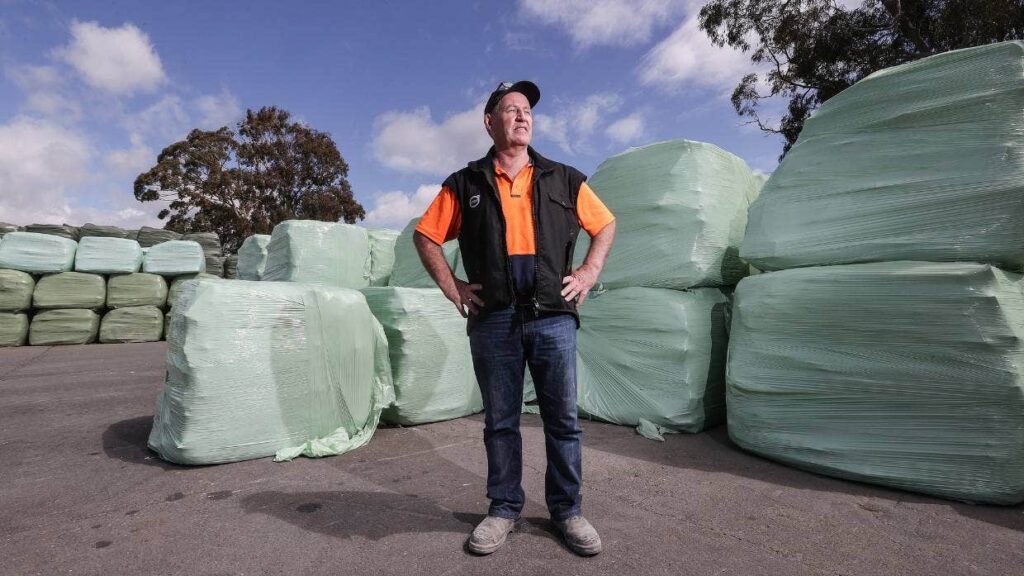
A man who owed almost $3 million after abandoning thousands of bales of rubbish on land in Christchurch is now living in Australia. In September 2023, the High Court ordered Michael Denis Corcoran to pay his landlord $2.8 million. Now, he is being chased for bankruptcy.Corcoran’s ERP Group company had been unlawfully storing baled waste at several locations in and around Christchurch. Mr Corcoran said he had been baling the waste for a proposed Waste-to-Energy plant in Waimate. Read Article here See below for more on Michael Corcoran and ERP Group’s involvement with Renew Energy Limited. ERP GROUP

Waste dumper owing millions now in Australia. Read More »

Major fire at AVR’s waste-to-energy plant in Rozenburg, Netherlands.

Following a devastating fire at its Rozenburg plant, which destroyed the power plant section of the facility, WtE company AVR has had to divert the incoming municipal solid waste away from the plant. When operational, the plant processes 1.3 million tonnes of waste per year. The diverted waste will be taken to a landfill in Tilburg and stored until the plant is again operational. Read Article Here

Major fire at AVR’s waste-to-energy plant in Rozenburg, Netherlands. Read More »

Lithium-ion Battery fire shuts down major Tokyo waste disposal facility.

The incident severely damaged the facility’s conveyor belt, which transports waste for crushing, and the equipment that separates garbage from metal. The facility’s yard, where waste is stored, is currently at full capacity, further exacerbating the situation. Security camera footage revealed that a battery pack containing lithium-ion batteries ignited, leading to a series of explosions. The warehouse was empty at the time, preventing any potential injuries. Read Full Article

Lithium-ion Battery fire shuts down major Tokyo waste disposal facility. Read More »

pollinators, bumblebees, bees, insects, hymenoptera, entomology, blossom, pollination, close up, macro, bees, bees, bees, bees, bees

Bee’s needs: Why air pollution matters to pollinators.

This Natural England article on the GOV.UK website highlights how air pollution, including nitrogen oxides and volatile organic compounds (VOCs) produced from the combustion of plastics, has devastating effects on pollinator insects. This should be of concern to all of us, not least the food-producing shareholders of Renew Energy Limited (REL), the New Zealand arm of South Island Resource Recovery Limited (SIRRL) Read Article Here

Bee’s needs: Why air pollution matters to pollinators. Read More »

The real NIMBY’S: Food producing shareholders of Renew Energy Ltd.

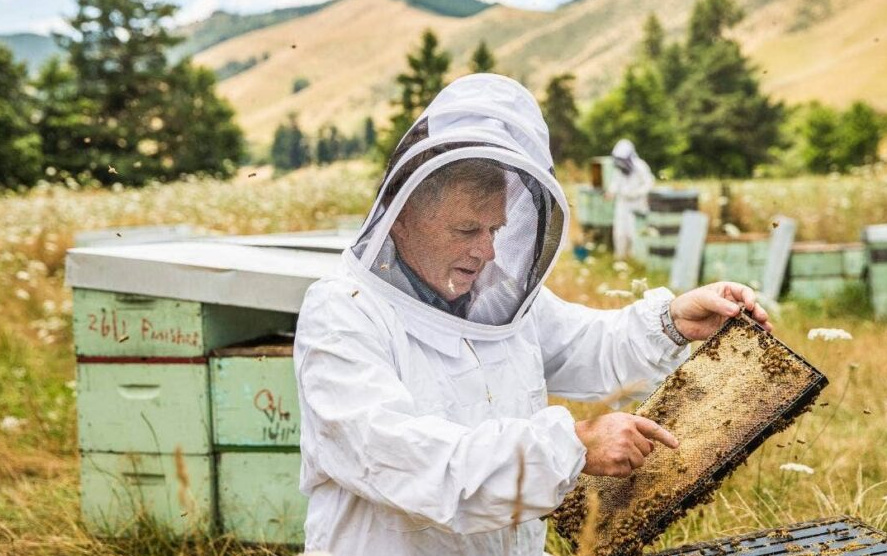
A honey producer, winemaker and grain grower make up some of the shareholders and directors of a company wanting to build a huge rubbish incinerator, BUT NOT IN THEIR BACKYARDS, in the heart of a food-producing district in Waimate. Philip Alfred Leslie Cropp is a honey producer based in Nelson. Paul Robert Taylor is a cereal grain and seed grower from the Ashburton area. Robert Bruce Grey is a wine grower from the Nelson region. What all these food growers have in common is a significant shareholding in Renew Energy Limited (REL), the New Zealand company with a 40% stake in South Island Resource Recovery Limited (SIRRL), the company behind ‘Project Kea’. See below for more on the shareholders of Renew Energy Limited (REL) REL Shareholders

The real NIMBY’S: Food producing shareholders of Renew Energy Ltd. Read More »

heaven, smoke, steam, environment, clouds, waste incineration plant, chimney, nature, sunset

The dirty truth about waste to energy incineration is that it just doesn’t stack up.

Why is Waste-to-Energy incineration a bad idea for Aotearoa?  In this article, Michael Szarbo from Greenpeace asks the question, ‘How is a heavily state-subsidised Chinese W-t-E model going to work in NZ?’ and why any NZ council would be foolhardy to sign any contracts with SIRRL or any other W-t-E company.   Read Article here Competitive waste market Waste-to-energy companies in China claim subsidies and tax breaks from the Government by claiming to be renewable energy providers. These companies are also sometimes exempt from waste disposal tariffs. These incentives have seen a boom in waste-to-energy builds, and companies are eager to claim the economic advantages.However, these incentives don’t exist in New Zealand. This means any plant in Aotearoa would need to burn as much waste as possible to produce revenue from gate fees and the sale of generated electricity. This incentive encourages the plant operators to burn as much waste as possible to create electricity. Without the required 365,000 tonnes of waste the company intends to burn, ‘Project Kea’ would run at a loss.In New Zealand, waste management companies and councils play a significant role in controlling the waste stream, often with shareholder stakes in landfills. For SIRRL to be competitive in this market, two things are required: available waste and the ability to provide significantly lower gate fees as an incentive to draw customers. While lower gate fees may incentivise customers to support waste-to-energy, they also reduce potential revenue. Waste management companies in New Zealand have raised questions about SIRRL’s stated available waste calculations. This is a significant concern, as the accuracy of these calculations directly impacts the company’s ability to compete in the waste-to-energy market. 

The dirty truth about waste to energy incineration is that it just doesn’t stack up. Read More »